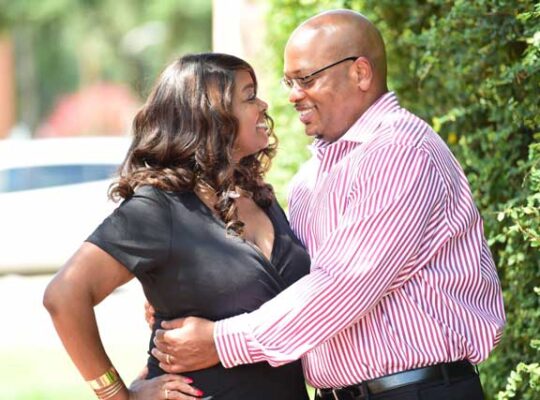
Marriage coaching is for couples who aren’t in crisis — and want to keep it that way. Maybe you’ve drifted into roommate territory. Maybe parenting and work have crowded out everything that made you fall in love. Maybe you simply want to learn the skills the best marriages share, before you need them.
Coaching is action-oriented and forward-looking. It is less about excavating the past and more about building, together, the partnership you both want. Sessions draw on the same evidence-based foundations as therapy — the Gottman Method and Emotionally Focused Therapy — so the skills you build are the ones decades of research show couples actually need.
Communication that actually lands — fewer misunderstandings, less defensiveness
Repair after small ruptures so resentment doesn’t accumulate
Conflict skills you can use in the middle of an argument, not just after
Rituals of connection that fit a busy, modern life
Shared vision — money, parenting, family, and the next ten years
Intimacy and friendship that grow with you, not despite you
Aligned parenting so the kids feel a steady, unified base
Skills for the transitions ahead — new jobs, empty nest, retirement
How marriage coaching is different from therapy:
Therapy is the right call when you’re working through trauma, an affair, addiction, or significant mental-health concerns. Coaching is for couples who are largely doing well and want to do better — more skill-building, more practice between sessions, more focus on the goals you set together.
If we discover during coaching that what you’re carrying is heavier than coaching is built for, we can shift to therapy. Either way, you’ll always know what kind of work we’re doing and why.
Build something good into something great.
The best marriages aren’t lucky. They’re skilled. They’re couples who learned to repair quickly, fight fair, and stay curious about each other across decades. Those skills are learnable, and coaching is one of the most efficient ways to learn them.
Coaching also makes more sense than therapy for couples in transition — newly cohabiting, recently engaged, becoming parents, navigating an empty nest. Each of those transitions reshapes the marriage, and a few well-timed sessions can prevent years of slow drift.
Sessions are warm, practical, and honest. You leave each one with something concrete to try this week, and your relationship gets stronger between sessions, not just inside them.